Herstel bij een paard is een complex en continu proces. Zeker bij langdurige of terugkerende klachten vraagt het lichaam om meer dan een lokale aanpak. Begrijpen hoe deze herstelprocessen verlopen, helpt om realistische verwachtingen te hebben en bewuste keuzes te maken.
Herstel begint op celniveau
Spieren, pezen, gewrichten, bindweefsel, huid en zelfs het zenuwstelsel zijn met elkaar verbonden en werken samen op celniveau. Het lichaam van een paard herstelt zichzelf continu. Dat gebeurt niet alleen zichtbaar aan de buitenkant, maar vooral op celniveau. Cellen hebben water, voedingsstoffen en een goede communicatie onderling nodig om goed te kunnen functioneren. Wanneer die balans verstoord raakt — door belasting, spanning, leeftijd of eerdere blessures — kan herstel vertragen.
Een stof die hierin een belangrijke rol speelt, is hyaluronzuur. Dit is een lichaamseigen stof die van nature voorkomt in onder andere pezen, spieren, gewrichten, bindweefsel, huid en het zenuwstelsel. Hyaluronzuur helpt water en voedingsstoffen vast te houden rondom cellen en ondersteunt zo het interne transportsysteem van het lichaam.
De rol van hyaluronzuur bij herstel
Hyaluronzuur is essentieel voor de kwaliteit van bindweefsel. Het ondersteunt de aanmaak van collageen en elastine. Dat zijn de bouwstoffen die belangrijk zijn voor sterke en veerkrachtige structuren, zoals pezen en gewrichten. Daarnaast speelt het een rol bij smering, hydratatie en het ondersteunen van herstelprocessen in weefsels.
Bij paarden is herstel van pezen vaak extra uitdagend. Peesweefsel is namelijk minder goed doorbloed dan bijvoorbeeld spierweefsel. Dat betekent dat voedingsstoffen en afvalstoffen zich minder makkelijk verplaatsen. Juist daarom is ondersteuning van het interne transportsysteem zo belangrijk binnen herstelprocessen.
Het lichaam maakt zelf hyaluronzuur aan, maar deze aanmaak neemt af naarmate een paard ouder wordt of langdurig (over)belast is. Hierdoor kunnen lokaal tekorten ontstaan, wat invloed kan hebben op belastbaarheid en herstel van het hele lichaam.
Fascia: de verbindende schakel
Naast spieren en pezen speelt fascia een belangrijke rol binnen herstelprocessen. Fascia is het bindweefselnetwerk dat alles in het lichaam met elkaar verbindt. Het reageert op prikkels zoals beweging, spanning, temperatuur en trauma. Daarom wordt fascia gezien als een belangrijk communicatiesysteem binnen het lichaam.
Wanneer fascia onder spanning staat, kan het hele lichaam daarop reageren. Spieren kunnen verharden om te beschermen, beweging kan beperkter worden en herstel kan vertragen. Ontspanning en balans in de fascia helpen het lichaam om uit die beschermende stand te komen en weer ruimte te creëren voor herstel.
Doorbloeding, ademhaling en herstelmomenten
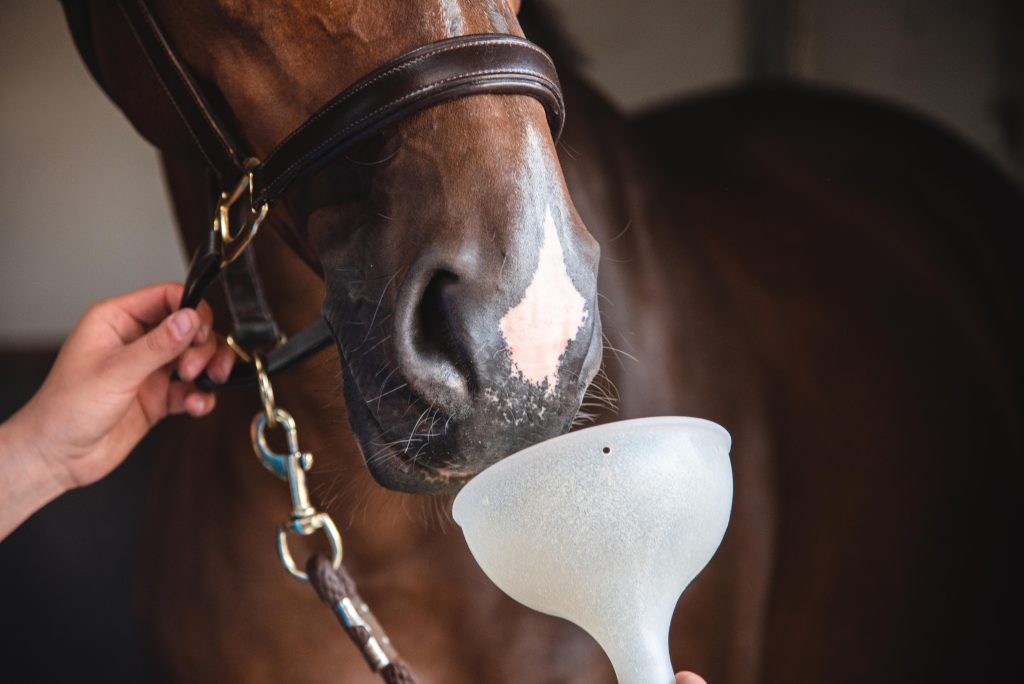
Goede doorbloeding is essentieel voor herstel. Via het bloed worden voedingsstoffen aangevoerd en afvalstoffen afgevoerd. De longen spelen hierin een grote rol, omdat zij een belangrijke uitwisselingsfunctie hebben tussen zuurstof, mineralen en het bloed.
Herstelprocessen vinden bovendien niet plaats tijdens belasting, maar juist in rust. Voldoende herstelmomenten zijn daarom net zo belangrijk als training of beweging. Zonder rust kan het lichaam de aangeboden ondersteuning niet benutten.
Waarom hersteltijd en herhaling vraagt
Herstel verloopt zelden lineair. Zeker bij chronische klachten zien we vaak fases van verbetering en terugval. Dat betekent niet dat het lichaam niet reageert, maar dat het tijd nodig heeft om nieuwe balans te vinden.
Herstel verloopt zelden lineair. Zeker bij chronische klachten zien we vaak fases van verbetering en terugval. Dat betekent niet dat het lichaam niet reageert, maar dat het tijd nodig heeft om nieuwe balans te vinden.
Een totaalbenadering voor duurzaam herstel
Herstelprocessen in het paardenlichaam vragen om een brede blik. Niet alleen de plek waar klachten zichtbaar zijn, maar het hele lichaam speelt een rol. Spieren, pezen, fascia, doorbloeding, huid, ademhaling en het zenuwstelsel werken samen als één systeem.
Complementaire ondersteuning kan binnen dit totaalplaatje helpen om het lichaam als geheel te ondersteunen, zonder bestaande behandelvormen te vervangen. Juist die samenwerking tussen verschillende therapieën en goed management geeft herstel de ruimte om zich te ontwikkelen.
De rol van Nano CellCare binnen herstelprocessen
Binnen herstelprocessen kan Nano CellCare worden ingezet als complementaire ondersteuning die het lichaam als geheel benadert. De therapie is niet gericht op één specifieke klacht, maar op het ondersteunen van processen op celniveau die betrokken zijn bij herstel, balans en belastbaarheid. Door te werken met lichaamseigen stoffen zoals hyaluronzuur en natuurlijke mineralen, sluit Nano CellCare aan bij bestaande herstelmechanismen van het lichaam. Juist omdat deze ondersteuning breed inzetbaar is, wordt Nano CellCare vaak gecombineerd met medische, paramedische of andere complementaire behandelvormen, waarbij verschillende therapieën elkaar kunnen aanvullen in plaats van vervangen.
Meer weten?
Ontdek hoe Nano CellCare werkt en wat het kan betekenen voor jouw paard.
Lees meer over Nano CellCare therapie
Vind een therapeut in your area